
ONE BIG THING
Congress Faces Packed Fall Agenda and Shutdown Deadline Upon September Return
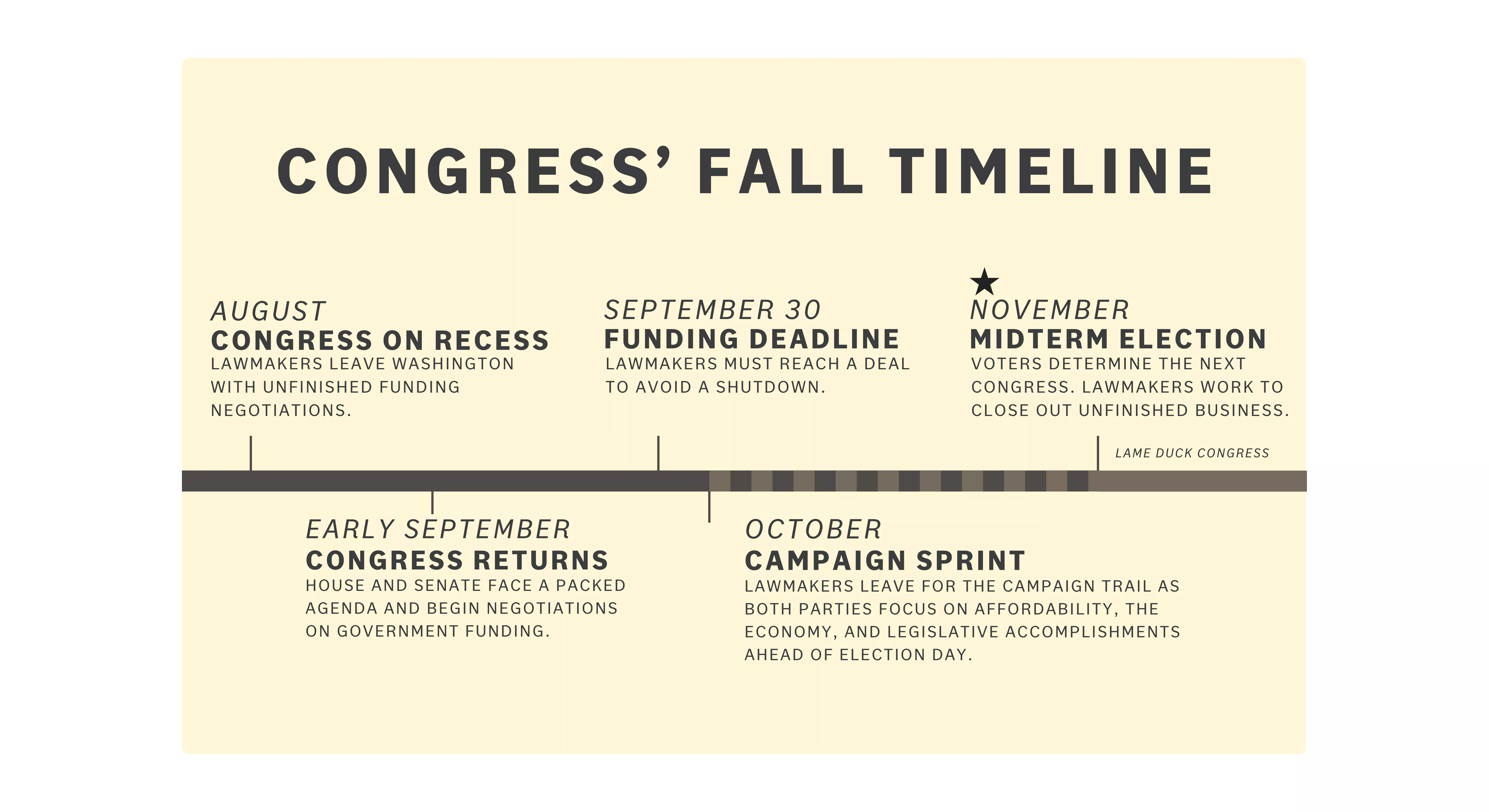
The Big Picture: Congress will return to Washington in September facing a crowded legislative agenda and a government funding deadline at the end of the month. Bipartisan leaders are working to get ahead of the deadline and avoid another shutdown fight as the midterm campaign season intensifies.
Third Shutdown, Potentially: Before leaving for a month-long break over August, the Senate advanced a bipartisan bill funding the government through December 11. The House and Senate must now reconcile competing proposals before sending final legislation to President Trump in order to keep the government open past September 30.
Other Priorities: Beyond keeping the government funded, lawmakers will also look to advance annual defense legislation, address transportation and infrastructure policy, and consider whether to extend expiring Affordable Care Act tax credits.
Why It Matters: With the midterms approaching and affordability dominating voter concerns, both parties are sharpening their economic messages — House Democrats through their “Fighting for an Affordable America” agenda and Republicans by highlighting legislative wins such as tax relief and a new housing law. An early funding agreement would remove the risk of a politically damaging shutdown and allow lawmakers to focus on issues expected to shape the Fall campaign.
ABOVE THE FOLD
President Trump’s New Tariff Push Raises Political Risks Ahead of Midterms
The Big Picture: President Trump’s latest tariff actions are intensifying political headwinds for Republicans ahead of the midterms, as voters remain focused on inflation, energy costs, and affordability.
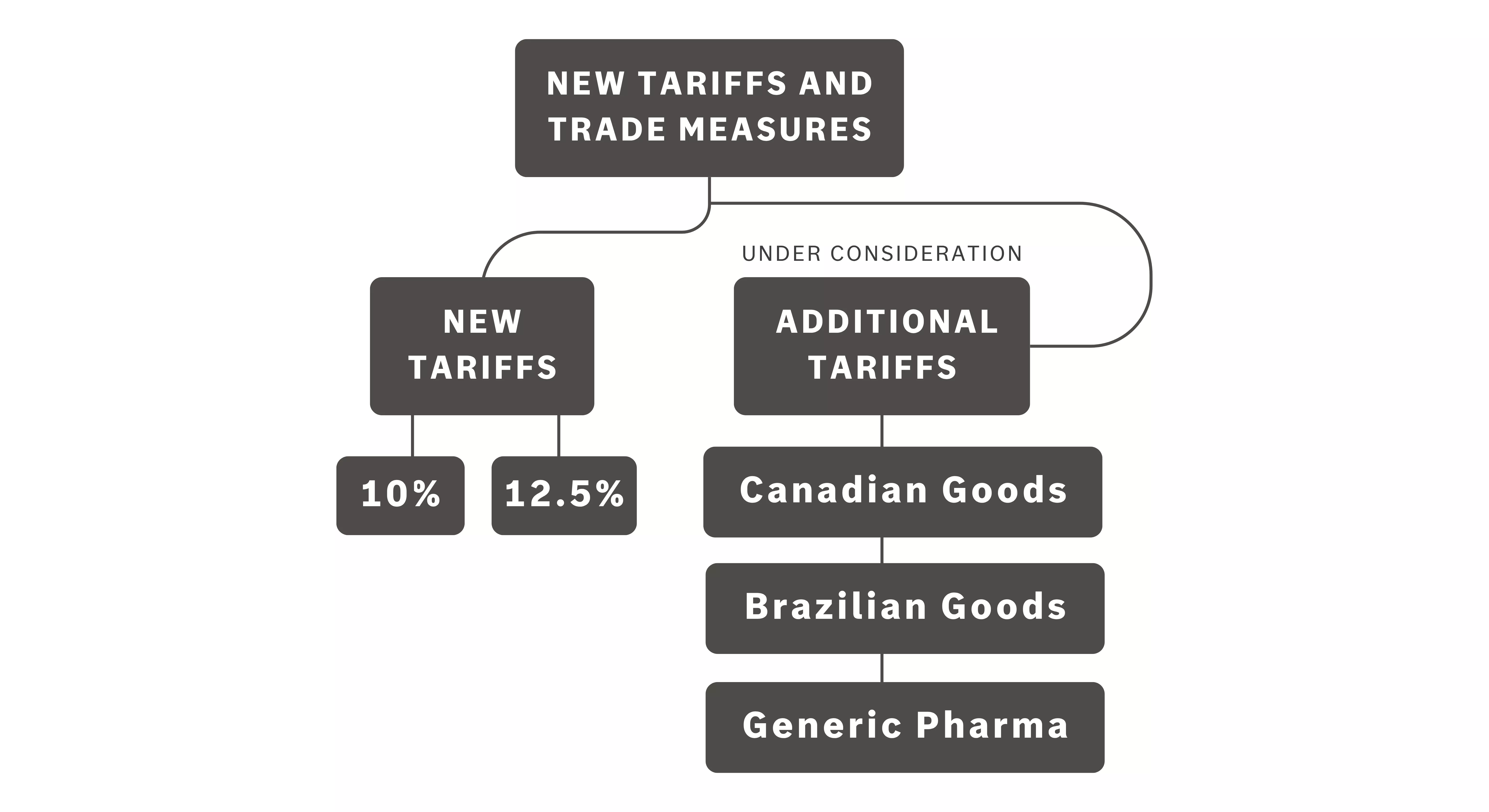
State of Play: A new round of tariffs on more than 80 countries took effect August 1, replacing a temporary global tariff. The measures impose 10% or 12.5% duties on imports, while additional tariffs – such as those targeting Canadian and Brazilian goods and a 100% tariff on generic pharmaceuticals – remain under consideration.
Why It Matters: The tariffs come as economic concerns remain a key vulnerability heading into the midterms. Recent polling shows growing dissatisfaction with the economy and opposition to new tariffs, while higher import costs could further fuel affordability concerns for consumers and businesses.
What’s Next: The Administration has threatened further tariffs on the European Union, escalating trade tensions and raising the possibility of retaliatory measures. The tariffs are also facing legal challenges, with a lawsuit filed by 25 Democratic-led states arguing the Administration’s use of trade authorities exceeds Congressional intent.
BY THE NUMBERS
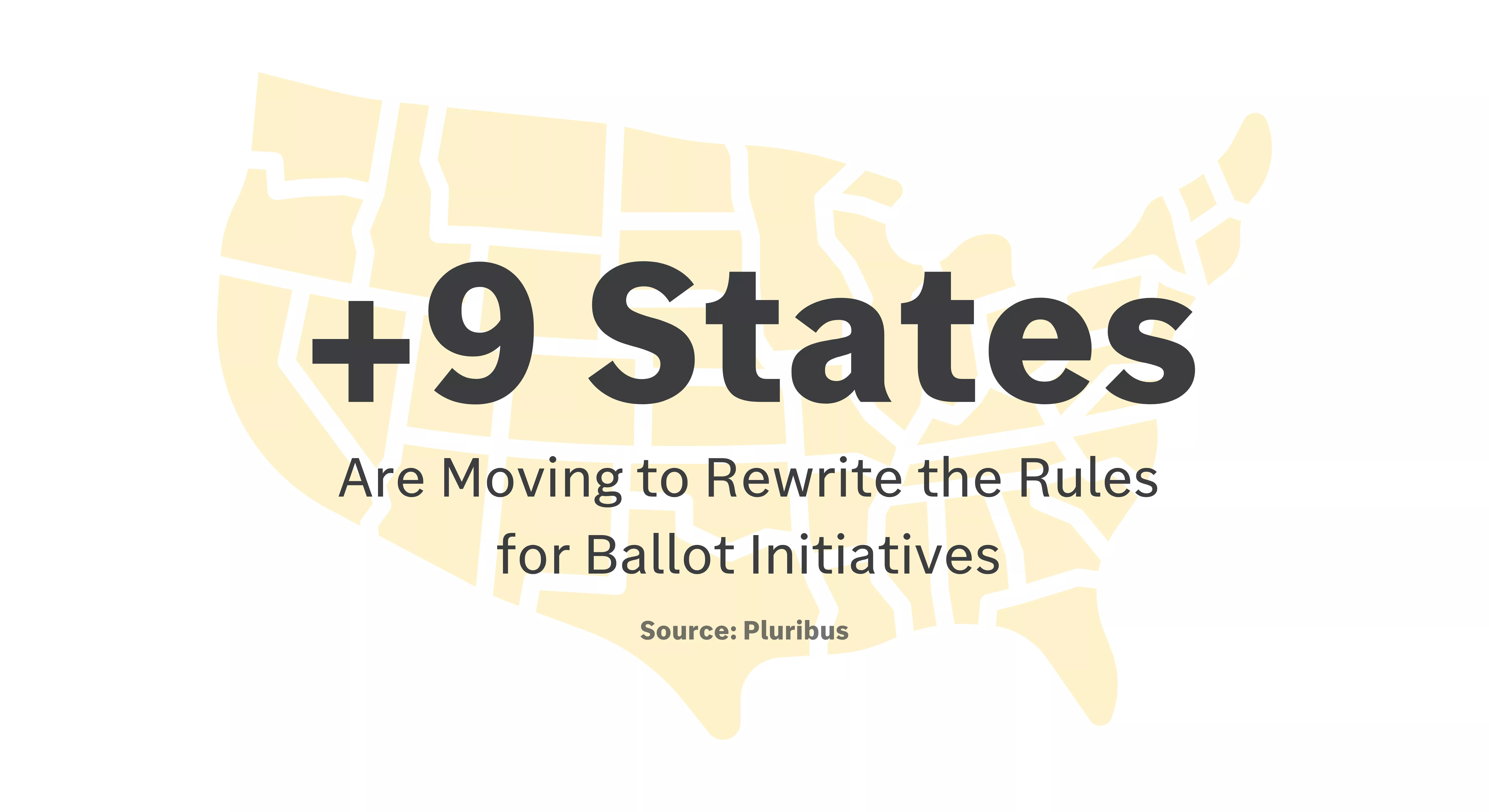
At Least 9 States Are Considering Major Changes to Ballot Initiatives
Fans and critics of the ballot initiative are supporting measures in at least nine states to make serious changes to the initiative process in this year’s midterm elections. Supporters of direct democracy are backing measures in Arkansas and Montana to enshrine the right to the initiative process. Republicans are supporting measures in North Dakota, South Dakota, Missouri, and Utah to raise the threshold for passing ballot measures, while Nebraska’s similar proposal has bipartisan support. In Colorado, one initiative would require future ballot measures to be written at an 8th-grade reading level for accessibility. Idaho is proposing to prohibit future ballot initiatives relating to drug legalization.
BELOW THE FOLD
Looking Forward
September brings Congress back to Washington, a high-stakes government funding deadline, and a packed legislative agenda as lawmakers race to make progress before the midterm campaign intensifies. Tariffs, Russia sanctions, crypto legislation, a farm bill, and the NDAA will also remain in focus as policymakers navigate a consequential fall. See you next month!
For a PDF version of the August Capital Currents Newsletter click here